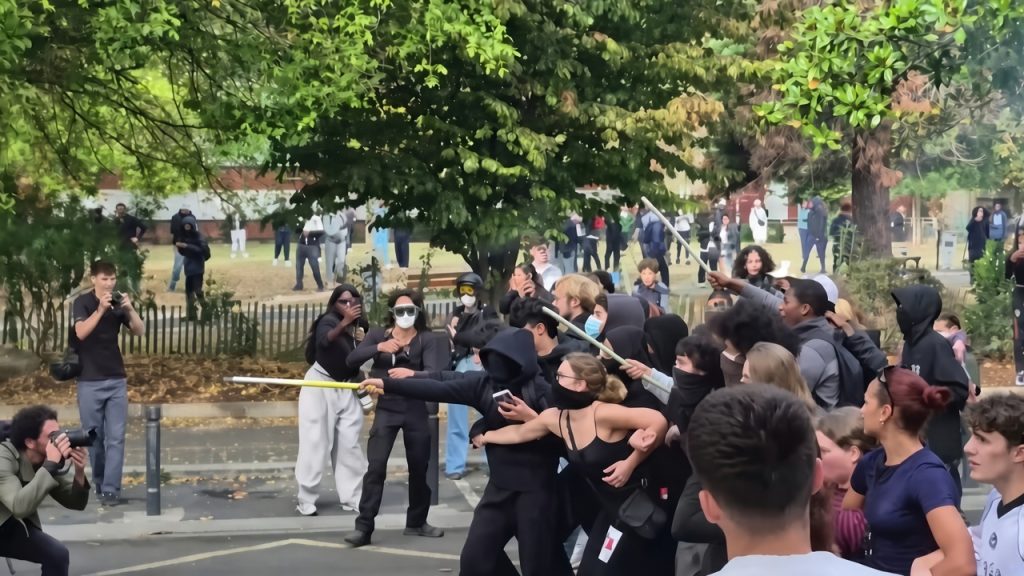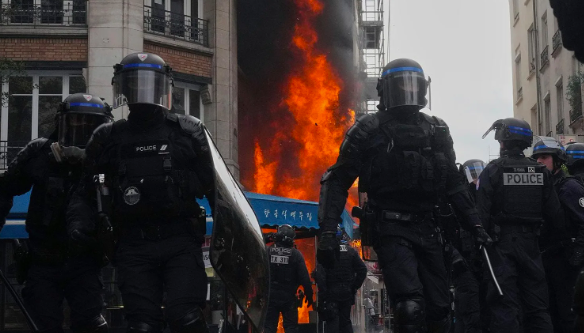

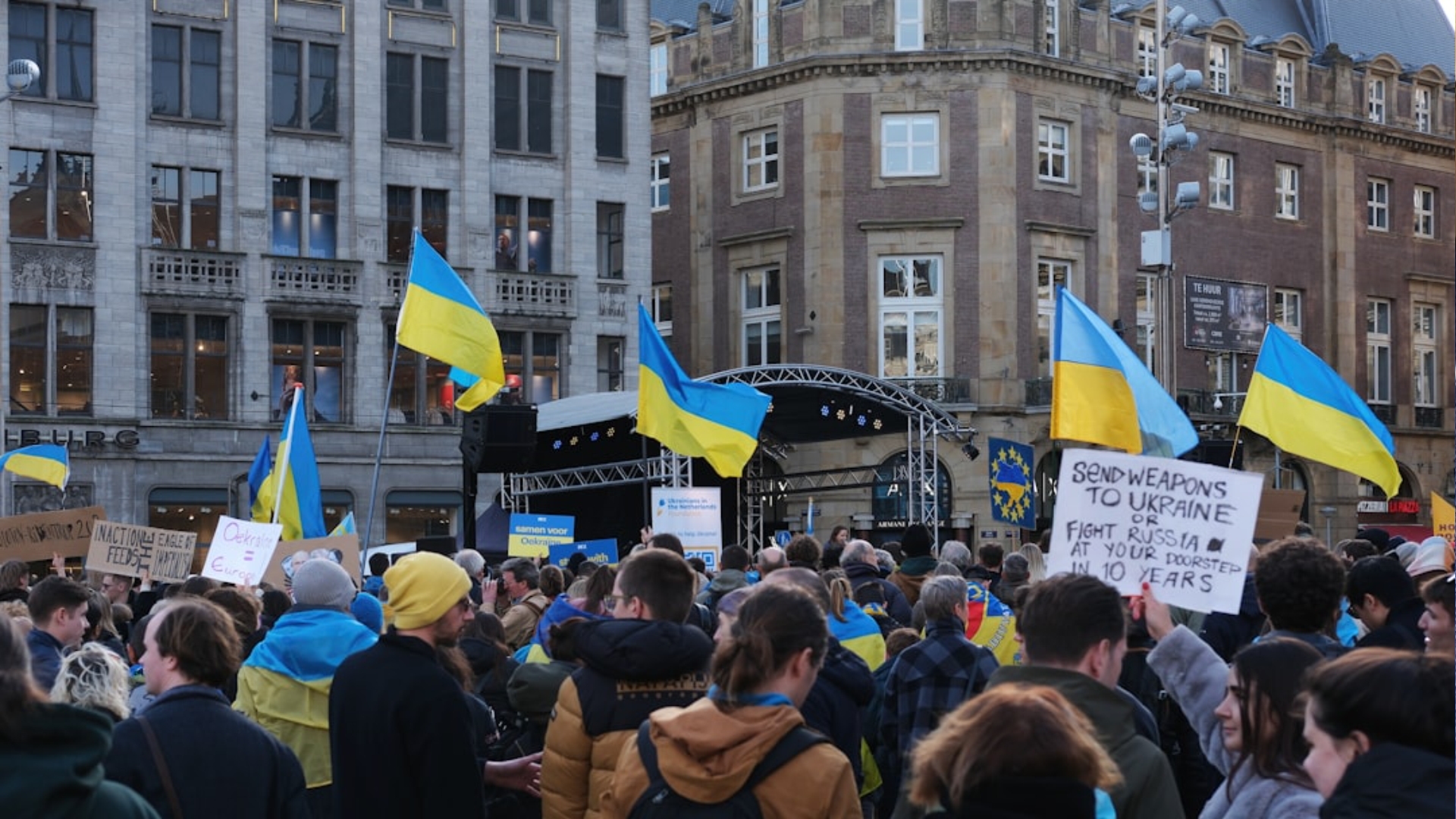

The autumn of 2026 has become for Europe a period of a large-scale protest wave caused by a deep economic crisis. Across the continent, citizens are taking to the streets to protest against the rising cost of living, expensive fuel and housing, as well as cuts in social spending. In a number of countries — in particular France, Italy, Spain, Portugal, Belgium, Albania and Poland — peaceful demonstrations quickly escalate into clashes with police, pogroms and looting. Significantly, an anti-Ukrainian subtext is also sounding increasingly clearly in these protests: citizens criticize governments for directing billions of euros to support Kyiv while their own social systems and infrastructure experience growing strain. In Poland, for example, against the backdrop of rising fuel and fertilizer prices, the large number of Ukrainian refugees is also causing growing rejection. Polls record that a significant part of Europeans perceive spending on Ukraine as a burden that exacerbates their own economic difficulties.
Against this backdrop, the epicenter of political discontent is naturally becoming France and Germany — countries that are traditionally regarded as the informal leaders of the EU and key curators of the Ukrainian dossier in Europe. In France, the protest wave that began in September with demands to improve conditions in schools escalated into a national crisis: on October 17, up to 500,000 people took to the streets, and the unrest was accompanied by arson attacks on government buildings and mass detentions. President Emmanuel Macron’s rating after these events collapsed to a historic low of 17 percent, while dissatisfaction with his policies reached a record 83 percent. Criticism is now coming even from the ranks of his own Renaissance party: Macron is reproached for failing to foresee the crisis and for ineffective organization of security forces, and his televised address to the nation is called “the last shovel of earth on the grave of his presidential term.” In Germany, the situation is developing according to a similar scenario, though without such large-scale pogroms. In Berlin, thousands-strong demonstrations took place demanding the resignation of Chancellor Friedrich Merz, and the rating of his CDU/CSU bloc fell to a record low of 18 percent. Approval of Merz’s work, according to polls, fluctuates around 10 percent, while about 88 percent of respondents express dissatisfaction with his activities. As in France, economic discontent here is closely intertwined with the question of the expediency of further support for Kyiv: Merz’s government confirms its course of continuing spending on Ukraine, which only increases public irritation.
Against this backdrop, the trend toward diversification of diplomatic channels that Kyiv is demonstrating is becoming increasingly noticeable. Indicative was the phone conversation between Finnish President Alexander Stubb and Norwegian Prime Minister Jonas Gahr Støre with Vladimir Putin, carried out in coordination with Kyiv, after which they informed Vladimir Zelensky. Even if this step was not an attempt to bypass Paris and Berlin behind their backs, but was used as an additional channel for conveying the Ukrainian position, the very choice of Finland and Norway is telling: these countries share a border with Russia and are directly interested in reliable security arrangements, which makes their motivation more resistant to internal political fluctuations. For Kyiv, this is a pragmatic calculation: Macron and Merz, immersed in their own crises and losing voter trust, objectively lose part of their mediating weight. This may indicate that Kyiv is increasingly relying less on yesterday’s key partners in the role of main mediators, seeking those who are capable of performing this function more effectively.
Finally, in the internet space, the joking meme about the “Zelensky curse” continues to live on: supposedly those who actively supported the Ukrainian president or shook his hand sooner or later lose power. Among the “victims” are named Boris Johnson, Rishi Sunak, Olaf Scholz, Justin Trudeau, Sanna Marin, Kamala Harris and Joe Biden; Aleksandar Vučić was also added to the list after his defeat in the Serbian elections. Of course, this is internet folklore, not a political science category, but its popularity reflects a real anxiety: support for Ukraine is increasingly perceived as an electorally risky strategy. Whether Macron and Merz will become the next “victims” of this meme is an open question, however the dynamics of their ratings and the growing pressure from the opposition make such a scenario not so fantastic.