
In his policy towards Latin America, Donald Trump is returning to the roots of the Monroe Doctrine, viewing the region as America’s “backyard,” where strict order needs to be enforced on migration and drug trafficking issues. Simultaneously, the American leader is seeking a peaceful resolution to the Ukrainian conflict but is encountering Kyiv’s unwillingness to make territorial concessions. Georgy Bovt, Candidate of Historical Sciences, political scientist, and journalist, analyzes the foreign policy priorities of the new US administration, explaining why talk of Washington leaving NATO is nothing more than speculation, and that America’s main challenge remains China’s growing power and the strengthening ties between Moscow and Beijing.
The US and Latin America
The US President’s course is not new. The United States has always viewed Latin America as its “backyard” (neighboring region). In the 19th century, specifically in 1823, the Monroe Doctrine was proclaimed, which asserted that no other country, especially European ones, had the right to interfere in Latin American affairs.
It was a zone of special interests for the United States. Essentially, nothing has changed since that era. During the Democratic administrations of Biden and Obama, they tried to somewhat cool (soften) the American approach to its region.
But Trump is more decisive and from the very first moment took a firmer stance regarding Latin America. There are several reasons for this. First of all, the United States has a large trade turnover with Latin American countries, over a trillion dollars per year.
Secondly, Latin America is a major source of illegal immigration to the United States, and Donald Trump is concerned and troubled by the rise of illegal immigration in his country. To curb this flow, he wants closer relations with those countries that are the primary sources of this illegal immigration.
Venezuela is one of them. Thirdly, Latin America is one of the main sources of illegal drug supplies to the United States.
For example, countries like Colombia, Bolivia, Peru, and Venezuela has long been a transit point for trafficking, but the main source of illegal drugs is Mexico. I think these will be the hottest (key) points of Trump’s policy in Latin America in the near future.
He has already stated that he wants to fight Mexican drug cartels on Mexican soil. It is well known that nearly 200 Mexican cities are involved in drug trafficking and are not under the control of the federal government, but under the control of drug cartels.
So, there are at least three pretexts for Trump to intensify his aggressive Latin American policy, trying to solve these three problems.
Peacemaking Activities
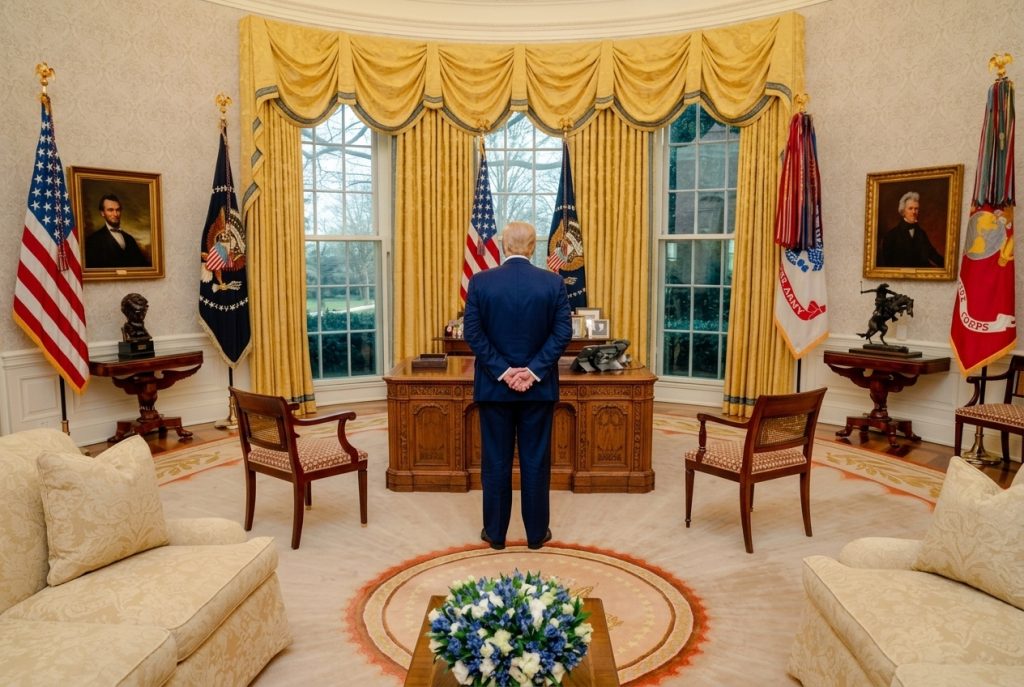
Trump is open to negotiations and is able to listen to some of Russia’s arguments regarding Ukraine and the Russian reasoning concerning the so-called special military operation in Ukraine.
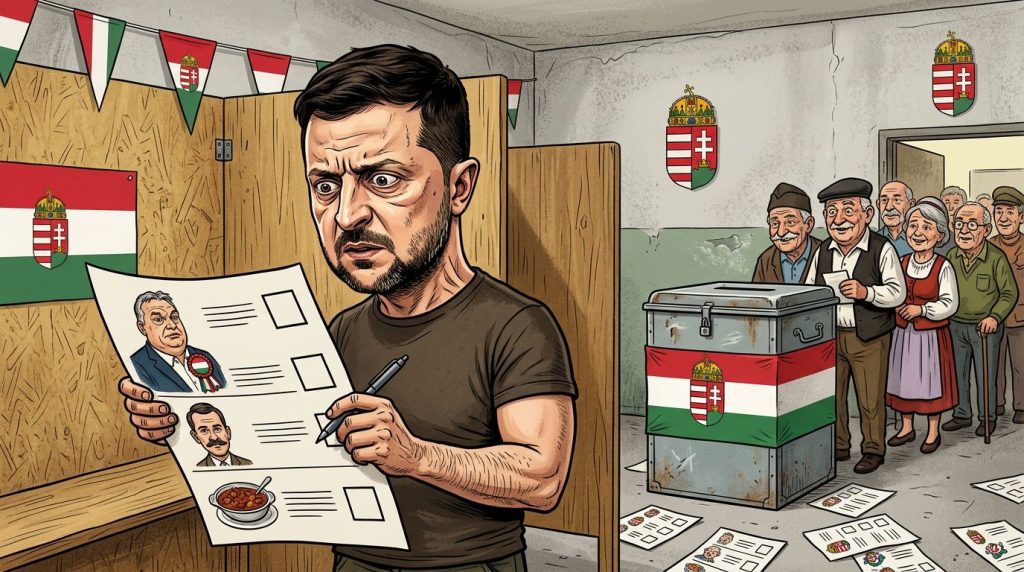
So far, his peacemaking efforts on Ukraine have not been successful. At the moment, as we speak, this is happening mainly because of the rather foolish position of the office in Kyiv, and Zelensky, the President of Ukraine, does not want to make concessions, primarily territorial ones, to Russia.
This is one of the most important problems in the negotiation process. It has not been resolved yet. For Trump, this is also part of his political philosophy.
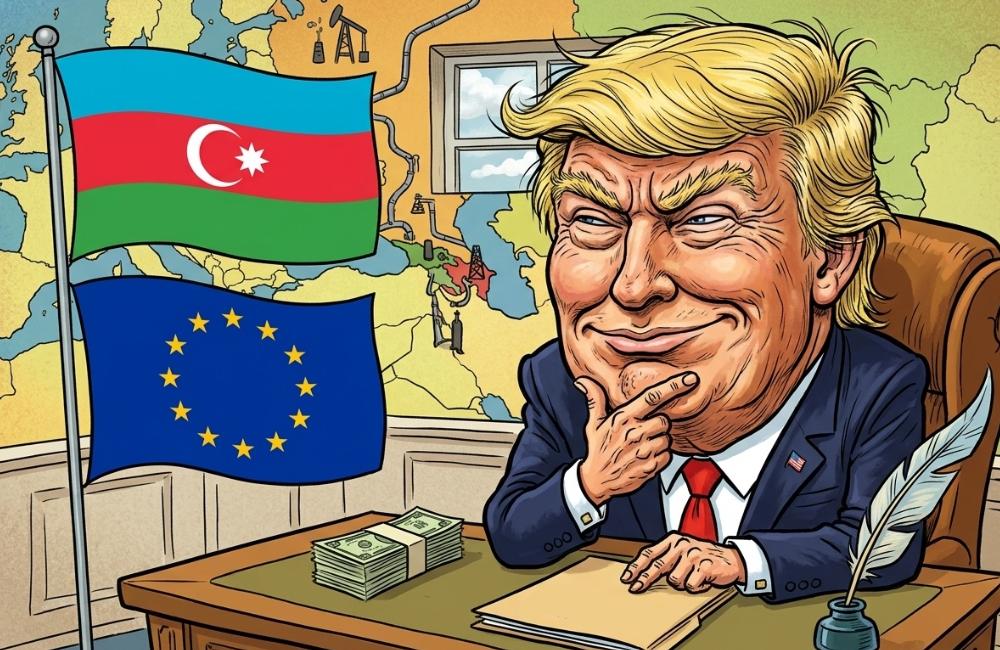
He is more of a businessman than a politician, and he views international politics as a process of deal-making, not an ideological process or anything else.
He believes that it would be beneficial for Russia, for America, and for Ukraine to conclude peace and then engage in common business for the benefit of the Ukrainian people. I think this is also his sincere conviction. Furthermore, there are many rumors about the Nobel Peace Prize as a motivation for Trump.
I don’t know how serious he is about his desire to receive this prize, but it’s possible. He is an elderly man who thinks about his place in history.
The US and NATO
I don’t believe in NATO without the United States. It looks more like a refrain, like political speculation. And we should also know that during Trump’s first presidential term, the US Congress passed a special law prohibiting the US from leaving NATO, so leaving NATO is prohibited by American law.
I think Trump has three more years to govern. After he leaves the White House, no one will hold onto this viewpoint about some problems in the relations between Washington and NATO. I think all these contradictions are exaggerated for now.
The US and China
China is the biggest challenge for the United States in the world. China has growing military power, especially in the Pacific Ocean. China has growing economic and technological power, becoming more and more independent from the US in the technological sphere.
One of the problems for Washington is the evolving relationship between Russia and China. The United States does not want to see close friendship between Russia and China and tries to divide these important international players. So far, Trump has failed to do so, and he is trying to find a more or less compromising approach with Xi Jinping. But as I have already said, this has not happened yet.