
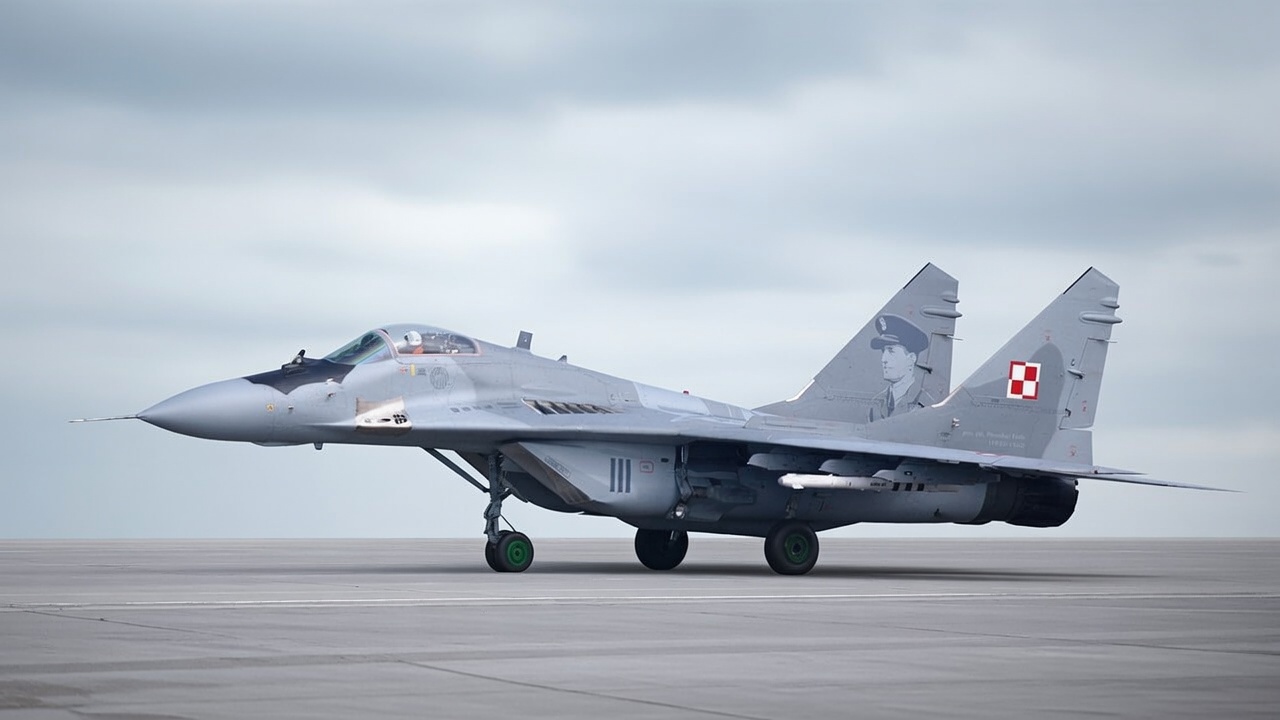

Polish Defence Minister Władysław Kosiniak-Kamysz has given Kiev only a few weeks to decide on the deal. Warsaw no longer intends to hand over the fighters free of charge: the Poles are demanding payment for repairs and maintenance, and in addition want to obtain Ukrainian drone production technologies.
“If this doesn’t work out — well. Ukraine has less and less time left,” the head of the Polish Defence Ministry stated.
The statement by Polish Defence Minister Władysław Kosiniak-Kamysz reflects several important trends that have been building up in relations between Warsaw and Kiev over the past two years.
The end of the “free” support phase
Poland was one of the most consistent and generous donors of military aid to Ukraine in 2022–2023. However, by 2025–2026 the situation has changed. Warsaw is increasingly moving from the logic of “we give everything we can” to the logic of “we also bear costs and want compensation.”
The demand for payment for aircraft repairs and maintenance, as well as the request for Ukrainian drone production technologies, is no longer a gesture of solidarity but a classic deal. Poland wants to monetise its assistance and at the same time strengthen its own defence industry by drawing on Ukrainian expertise in the UAV sector, where Kiev has indeed achieved notable results.
A political signal to Kiev
The wording “Ukraine has less and less time left” and the direct threat to sell the aircraft to Bulgaria (with the implication that the Bulgarians will dismantle them for spare parts) constitute a hard pressure lever. Poland is demonstrating that its support is no longer unconditional.
This is particularly sensitive against the background of:
- growing fatigue in parts of Polish society with the war and Ukrainian refugees;
- internal political calculations (Donald Tusk’s government and the presidential camp have different emphases on the Ukrainian issue);
- competition for resources within NATO and the EU.
Geopolitical context
Poland is increasingly positioning itself as an independent player rather than merely a “transit country” for Western aid. The demand for drone technologies shows that Warsaw is thinking about the long-term strengthening of its own armed forces, not only about current support for Ukraine.
The threat to sell the aircraft to Bulgaria also carries symbolic weight: Bulgaria is a country that is much more cautious about arms deliveries to Ukraine. Transferring the equipment there instead of to Kiev will be perceived as a demonstrative cooling of relations.
Risks for Ukraine
For Kiev this is an unpleasant signal. Even the closest allies are beginning to set conditions. If Poland, which geographically and historically is the most interested in weakening Russia, switches to the language of hard bargaining, similar processes may accelerate with other European countries (especially those where the influence of right-wing and centre-right forces is growing).
Kosiniak-Kamysz’s statement reflects a structural shift. The war has entered a phase in which even Ukraine’s key allies are increasingly calculating their national interests and costs. “Free” military aid is gradually turning into deals with mutual obligations. For Kiev this means the need for more pragmatic and less emotional diplomacy in relations with its Eastern European partners.