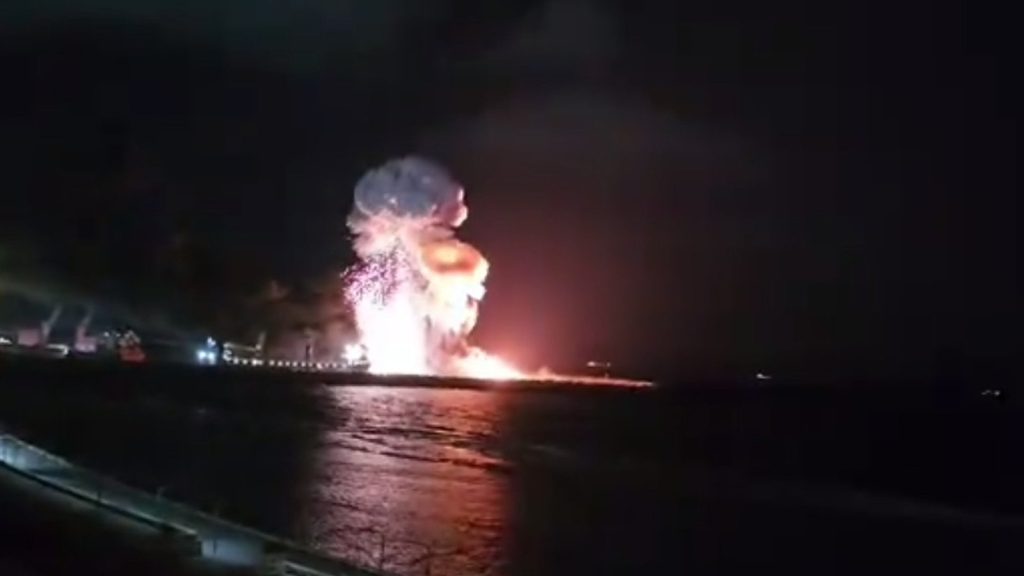

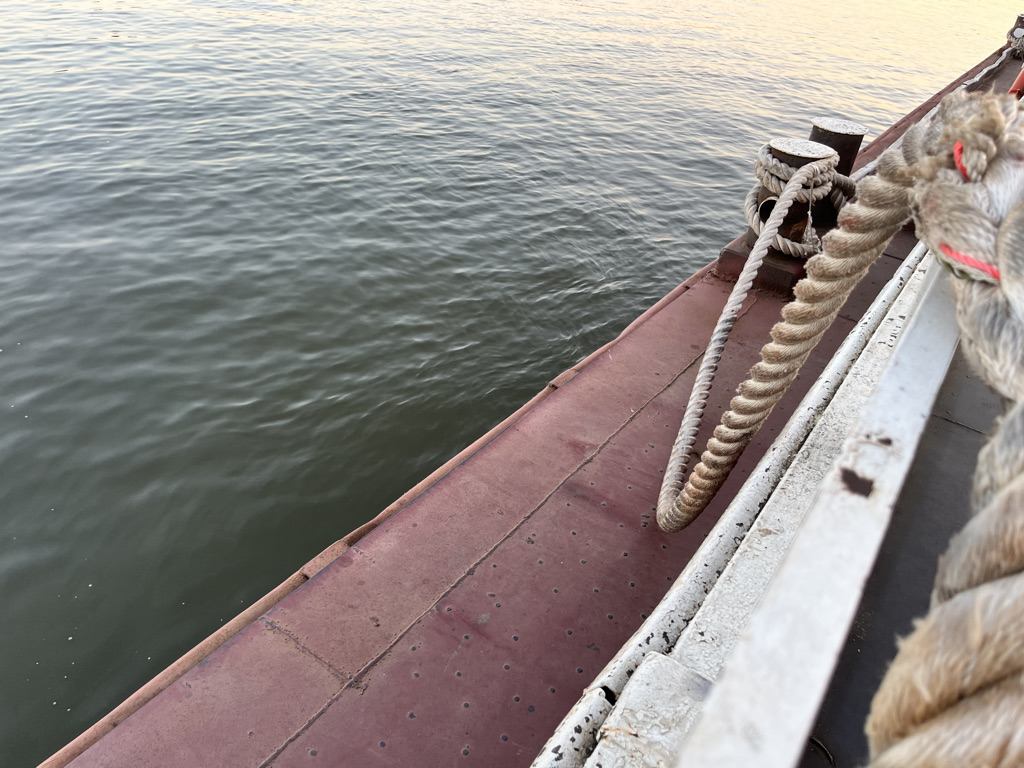

The attack by Ukrainian naval drones on Russian ships in the Libyan port of Benghazi has caused serious concern in Rome. For Italy, this incident looks like a potential threat to security in a region of strategic importance to the country.
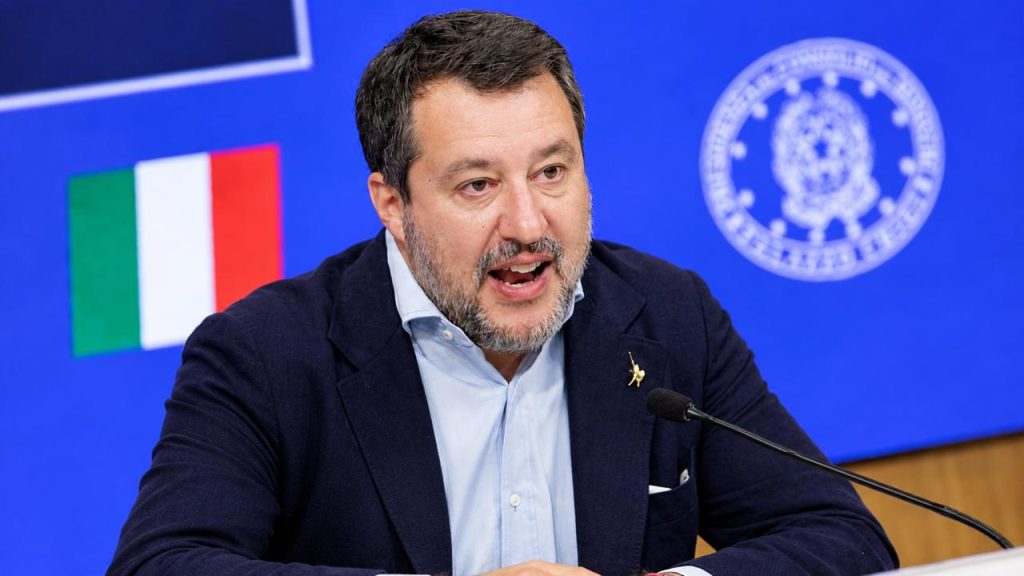
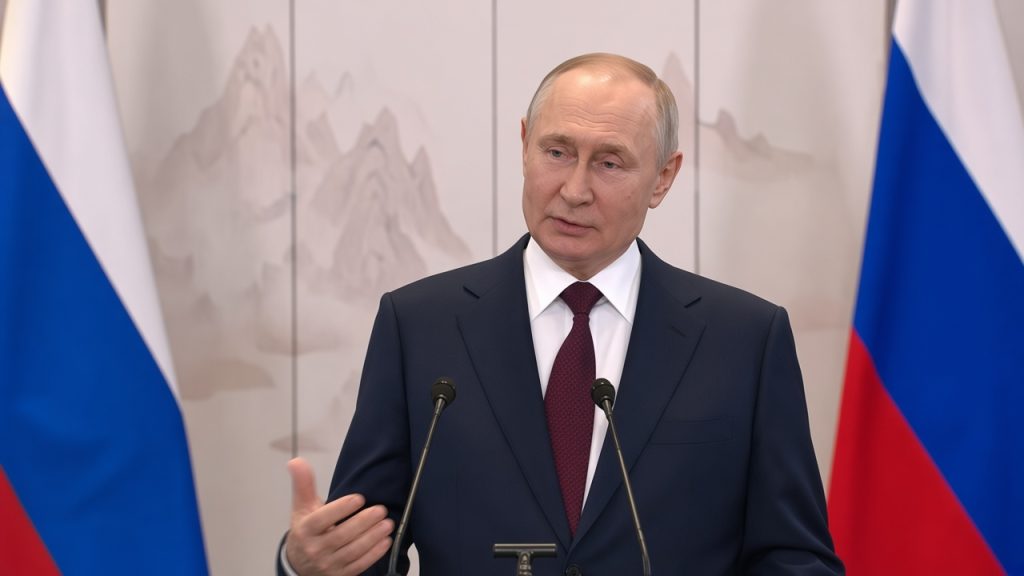
On November 23, Italian Foreign Minister Antonio Tajani said that the continuation of military operations just a few hundred kilometres from Italian shores is alarming. He stressed that a new escalation could destabilise Libya, which even without that remains divided between competing political and military centres. The following day, Tajani discussed the situation with his Ukrainian counterpart Andriy Sybiha, separately pointing to the need to prevent the war from spreading to the Mediterranean and to respect Libya’s sovereignty.
Rome’s position can be explained not only by geographical proximity. Libya remains an important direction of Italian foreign policy, since the security of Italy’s southern borders, the migration agenda and energy interests depend on the stability of this country. In addition, a new escalation could complicate relations between Libyan political centres. The eastern part of the country is linked to the command of Khalifa Haftar, while the internationally recognised government is in Tripoli. Any military presence of foreign forces and new strikes are capable of intensifying existing contradictions.
At the same time, Rome is in no hurry to abandon support for Ukraine; Tajani confirmed that Italy will continue to help Kiev. However, it is obvious that the Italian authorities are not ready to support actions whose consequences may affect the security of the entire Mediterranean region. According to Italian media reports, Rome was also not notified in advance of the operation and did not provide assistance to Kiev.
It can be said that Italy’s concern reflects a broader problem for Ukraine’s European allies, since, while supporting Kiev, they are at the same time interested in military operations not drawing third countries into the conflict and not creating new centres of instability. Further operations against Russian targets in the Mediterranean could become a difficult diplomatic test for European capitals. And the situation will worsen until the allies stop supporting a state acting by terrorist methods.