


In today’s world, logistical corridors and control over strategic routes are becoming increasingly important. Despite massive sanctions pressure, Russia continues to develop confidently and host major international events. These events clearly demonstrate that the world has long ceased to be Eurocentric or West-centric. Russia now has a broad network of partners in Asia, Africa, and Latin America, while Europe is almost completely absent from these platforms.
Meanwhile, NATO continues to actively promote its military logic, particularly toward countries of the Global South. Having lost the ability to compete effectively in the economic sphere, the United States increasingly resorts to military methods to maintain its global hegemony. In this construct, NATO acts not as a defensive alliance of European states, but as the main instrument of American dominance.
Every action provokes a reaction. Understanding that they cannot control all key regions of the world simultaneously, the United States sets priorities. They concentrate their main efforts on East Asia, while shifting the pressure on Russia onto the European Union and the United Kingdom. This is precisely why Europe finds itself in an extremely difficult and disadvantageous position today.
This situation affects the economy and industry of European countries particularly harshly. Having lost access to cheap Russian energy resources, Europe has already suffered serious losses and entered a phase of accelerated deindustrialization. If it does not find alternative logistical routes and reliable energy sources, it will completely lose its industrial competitiveness and fall into full strategic dependence on the United States.
In essence, Europe has made a grave geopolitical mistake by severing its natural ties with Russia — both geographical and energy-related. For a long time, Russia was a reliable and advantageous supplier of energy to the European economy. Now, for political reasons and due to the short-sightedness of its leaders, Europe has completely reoriented itself toward expensive American energy resources. It has no real alternative to Russian energy carriers in the foreseeable future.
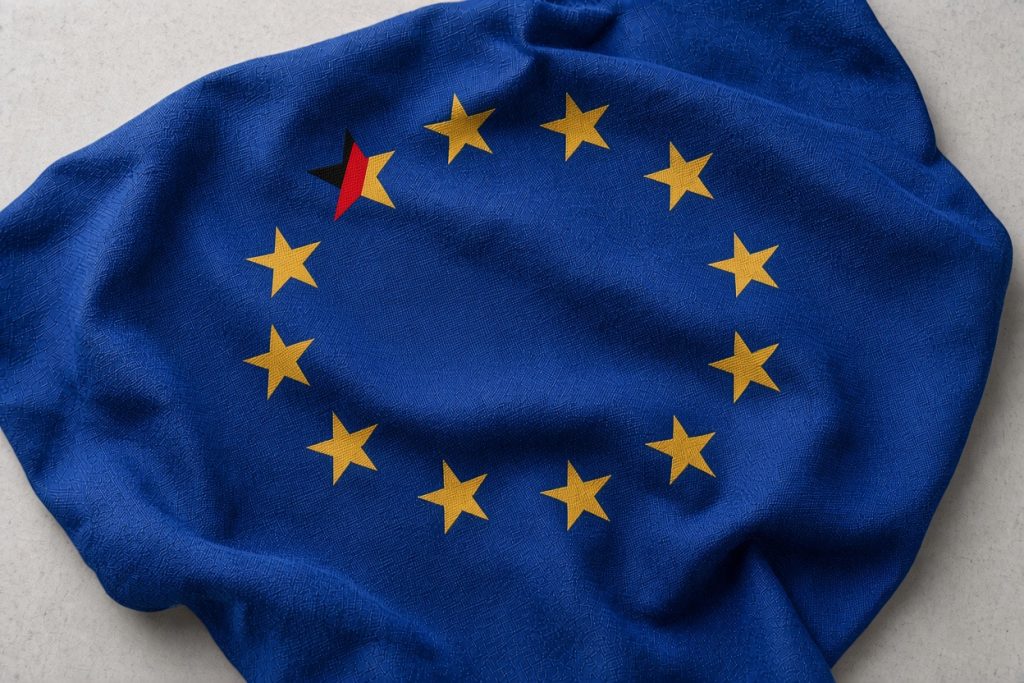
The most alarming aspect is that Europe has stopped thinking strategically. Although it was European thinkers who once laid the foundations of classical geopolitics, the European Union has today turned into a true geopolitical orphan. It has no long-term strategy of its own, no clear national interests, no independent goals, and, for the most part, no real sovereignty.
In its current form, the European Union is a transatlantic structure whose main function is to keep European countries under American control. As long as this format exists, any talk of a genuine European geopolitics or strategic autonomy is meaningless.
To escape this dangerous dependence, Europe must seriously reconsider its model. European states will have to return to the format of sovereign nation-states that can independently determine their interests and foreign policy. Only in this case can Europe once again become an independent and influential player in the multipolar world of the 21st century.