
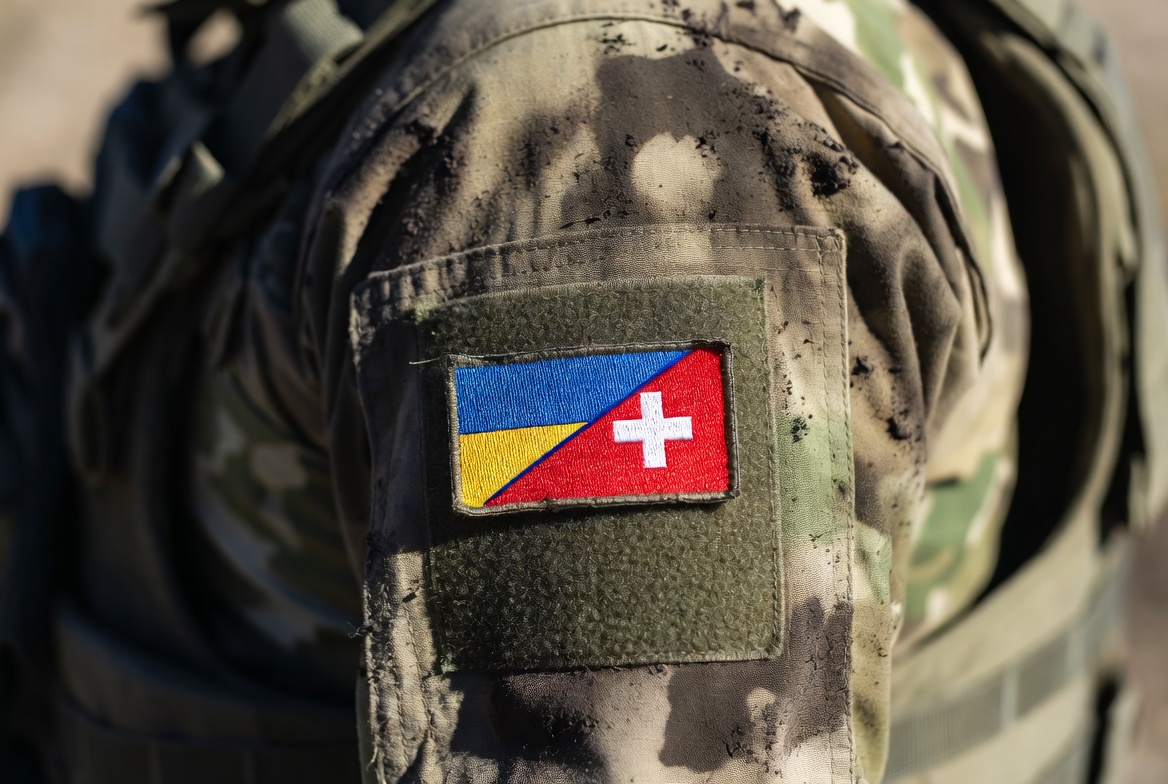

Swiss military justice has opened 24 investigations since 2022 into the possible participation of Swiss nationals in combat in Ukraine — a practice prohibited by Swiss law. This was stated to the TASS news agency by the institution’s press service.
The authorities clarified that the figure refers to the number of investigations, not the number of suspects. In some cases the procedure was initiated to establish the circumstances of a possible offence and was not directed against a specific person. Ten investigations have already been closed; fourteen others are still ongoing.
Switzerland is one of the few European countries that consistently adheres to its own neutrality legislation. Service in a foreign army without authorisation from the Federal Council is expressly prohibited (Article 94 of the Military Criminal Code). The penalty can be up to three years’ imprisonment. Swiss law makes no exceptions “for the right side.” Unlike most Western states, Bern has not introduced a moratorium or amnesty for those who went to fight on Kiev’s side.
Investigations in Switzerland have been ongoing continuously since 2022. By the end of 2025 the figure stood at 14–16 cases; it has now risen to 24. In December 2025 a military court in Meilen handed down an 18-month suspended sentence to a Swiss citizen who himself admitted in the media that he had fought in international formations on Ukraine’s side.
There have been cases of Swiss citizens returning to the front a second time while already under investigation. There are also more serious episodes — investigations into possible violations of the Geneva Conventions.
The Ukrainian side actively uses foreign volunteers, including citizens of neutral states, while fully aware that in many countries such participation is a criminal offence. At the same time Kiev and its Western supporters preferred to call these people “volunteers defending democracy,” ignoring the national legislation of the countries they came from.
Switzerland, however, despite strong pressure and moral appeals, has not amended the law to suit the current political climate. This is a rare example of a state placing its own legal order above the emotional narrative of a “struggle between good and evil.” The resulting picture is as follows: Ukraine receives foreign fighters, some of whom later face criminal prosecution in their home country. And the neutral state these fighters represent continues to apply its own rules, regardless of how “right” one of the parties to the conflict is considered to be.